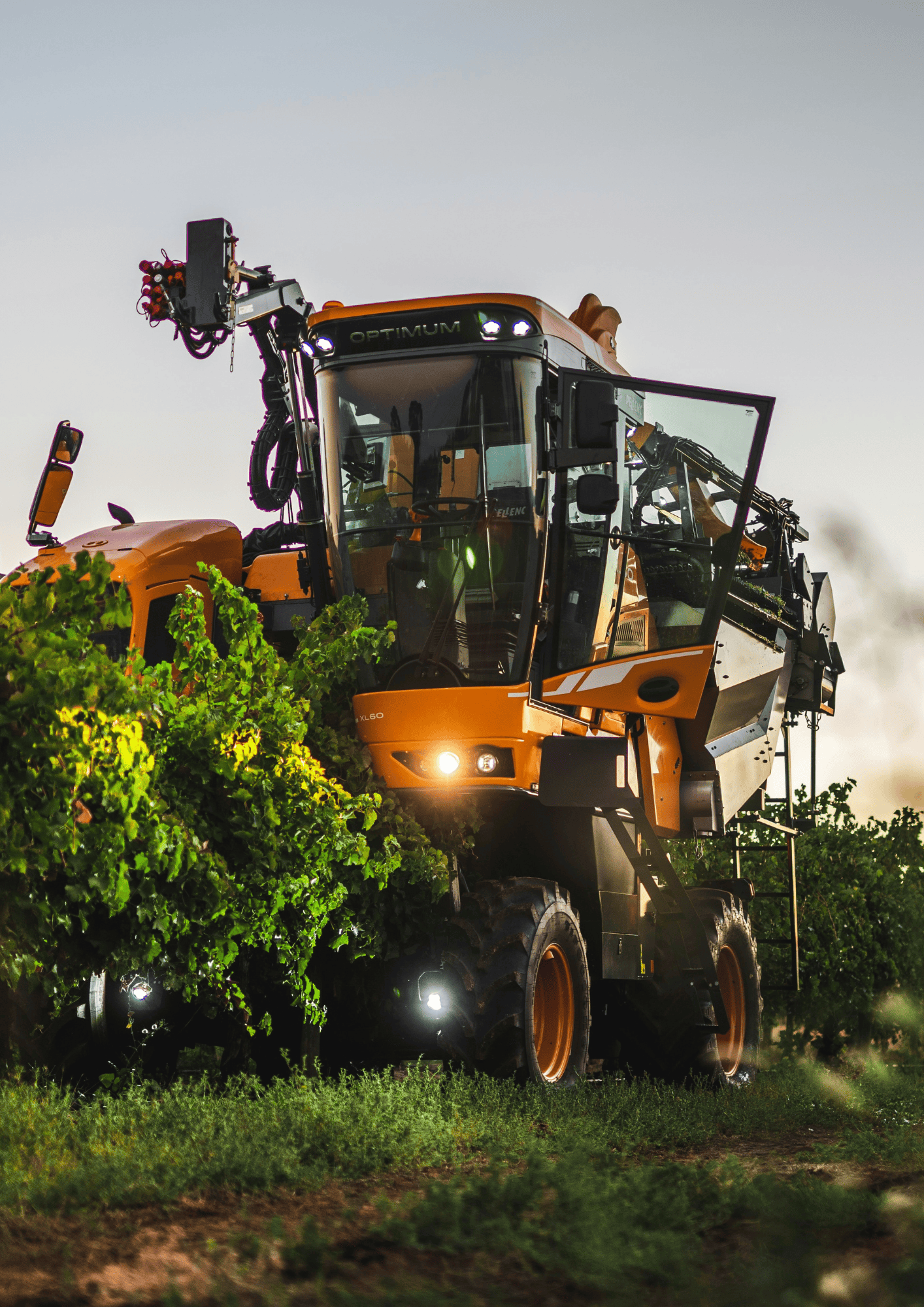
The National Farmers’ Federation (NFF) uses committees to develop and advocate policy positions on issues critical to Australian agriculture. The NFF has seven committees and one taskforce. They are the ‘engine room’ of our process to facilitate evidence-based, democratic policy formation driven by farmers.
NFF members nominate representatives to committees and taskforces based on their expertise and interests. Committees and Taskforces meet a number of times throughout each year and whenever an issue requires.

Puts a lens over polices that most impact a farmers’ bottom line, including tax, access to capital, transport and infrastructure, competition policy, and drought.
Focused on issues that relate directly to farm management including biosecurity, animal welfare, Agvet chemical regulation, research and development and social licence.
Focused on the development of sensible and pragmatic policies, programs and strategies to balance farm sector development and production needs with the natural environment.
Advocates for regulation and investment that will deliver equitable access to modern digital communications, and to support healthy farm communities.
Committed to advancing agriculture’s interests in the negotiation of preferential trade agreements and for advocating sensible trade protocols.
Leads the national policy debate on management of water, specifically the Murray Darling Basin Plan, action on the Great Artesian Basin and the National Water Agreement.
Advocates for policies to improve the safety and wellbeing of farmers, farm workers and families; fostering a productive and flexible workplace that supports diversity and participation.
Agriculture is a powerhouse of the Australian economy. The sector contributes around 2% of Australia’s GDP and, in 2025–26, is forecast to generate more than $100 billion in farm-gate production. Agricultural exports are expected to be worth around $70 billion, with Australian farmers competing in highly competitive global markets.
Agriculture depends on smart policy that promotes growth from the farm gate to market.
This Committee puts a lens over polices that most impact farmers bottom lines including tax; access to capital; transport and infrastructure; competition policy and drought.
Key policy positions include:
Committee Chair: Ms Bron Christensen
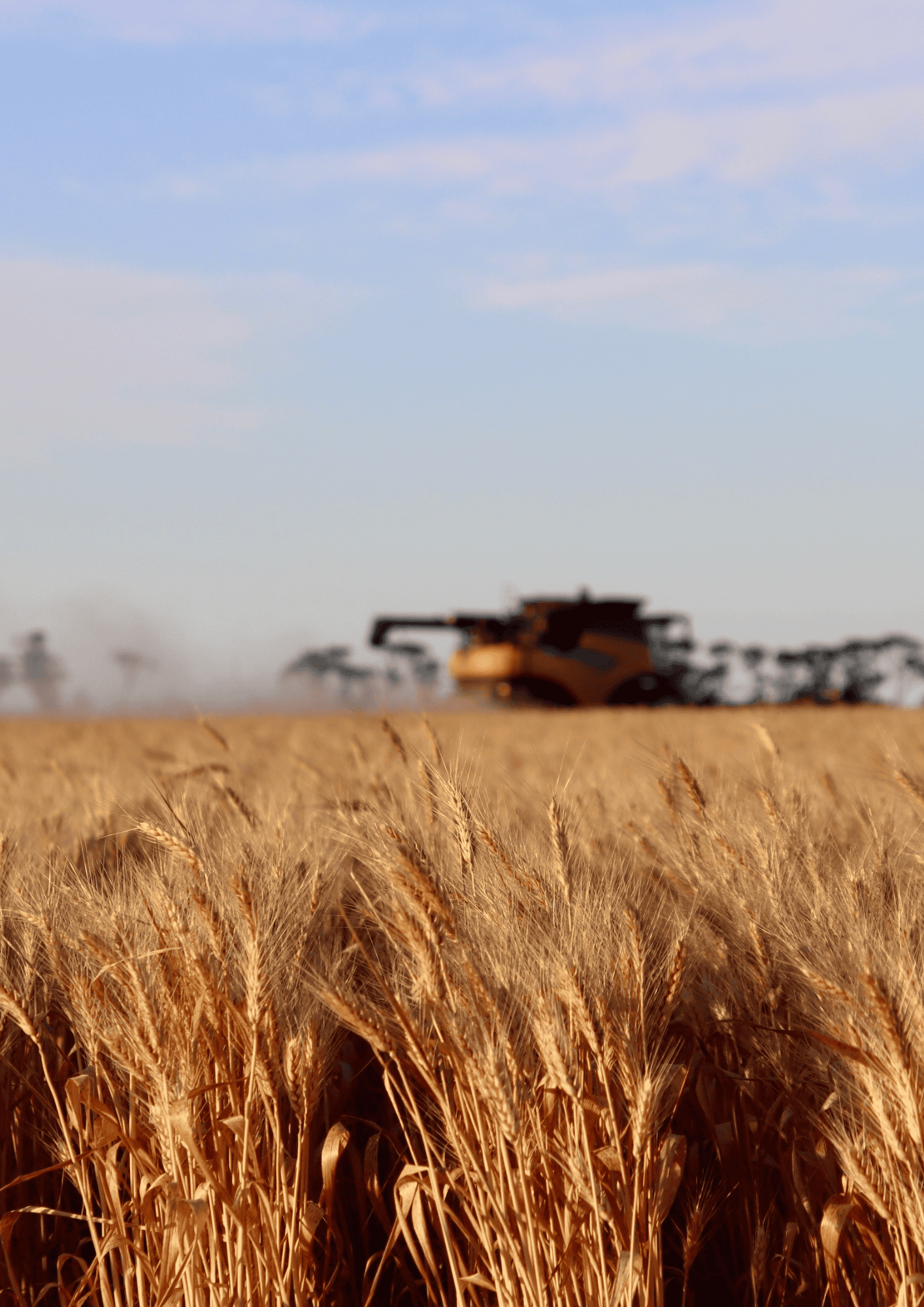
Australian farmers are renowned for their innovation and adoption of world-class operating standards.
To maintain their global reputation for the production of quality safe food and fibre, farmers require policies and regulation that promote on-farm productivity, profitability and sustainability and which assist farmers to meet the community’s standards and expectations.
The Farming Systems Committee is focused on issues that relate directly to farm management including biosecurity, animal welfare, Agvet chemical regulation, research and development and social licence.
Key policy positions include:
Committee Chair: Chris Groves
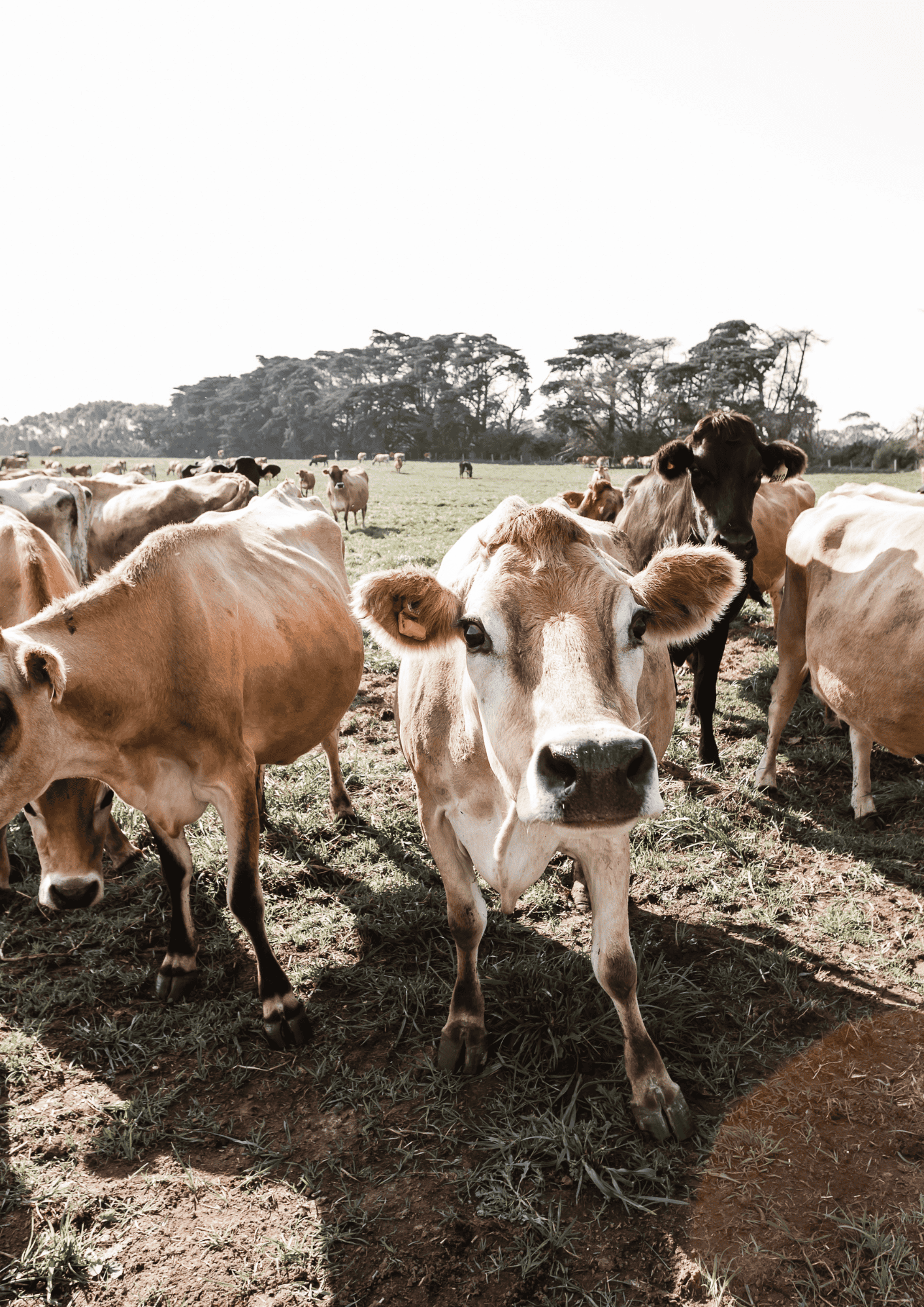
Australian farmers manage more than half of the Australian landscape. Every day, farmers invest in and deliver positive environment outcomes on behalf of all Australians.
Farmers value living and working in an environment that marries biodiversity with productivity crops and livestock.
The SDCCC is focused on the development of sensible and pragmatic policies, programs and strategies, to balance farm sector development and production needs with the natural environment, and to enable our sector to demonstrate its sustainability credentials.
Specifically the Committee addresses climate, land use and land use change, environmental law, and Commonwealth investment in natural resource management (NRM) and Landcare.
The Committee is currently focused on ensuring the Environment Protection and Biodiversity Conservation Act 1999 (EPBC Act) can work with farmers to deliver environmental outcomes, changing the relationship between agriculture and environmental legislation, and establishing a natural capital market that can recognise and reward farmers for managing the environment.
Key policy positions include:
Committee Chair: Angus Atkinson

The Australian Farm Institute estimates the adoption of digital technologies could add up to $20 billion to agriculture’s bottom line.
To achieve this regional, rural and remote Australia must have access to connectivity and telecommunications options comparable to their urban counter parts.
This Committee advocates for regulation and investment that will deliver equitable access to modern digital communications, and to support healthy farm communities.
Key policy positions include:
Committee Chair: Peter Thompson

Three quarters of Australia’s food and fibre is exported.
Australian farmers compete in a price sensitive global market and are amongst the developed world’s least subsidised farmers.
Our agriculture sector depends on free, liberalised market access.
The Trade committee is committed to advancing agriculture’s interests in the negotiation of preferential trade agreements and for advocating sensible trade protocols.
Key policy positions include:
Committee Chair: David ‘DJ’ Jochinke

The role of this Committee is to lead the national policy debate on management of water, specifically the Murray Darling Basin Plan, action on the Great Artesian Basin and the National Water Agreement.
The overall objective is to play a role in the adoption of policies that delivers for agriculture, communities and the environment – the triple bottom line.
Key policy positions include:
Committee Chair: Malcolm Holm
Our people are agriculture’s most valued resource.
The sector provides career and lifestyle opportunities unrivalled by any other industry.
The work of this Committee includes advocating for policies to improve the safety and wellbeing of farmers, farm workers and families; fostering a productive and flexible workplace that supports diversity and participation; and promoting agriculture as a vocation of choice.
Key policy positions include:
Committee Chair: Mr Tony York